Recycling and Sustainability for Landscaping Barking
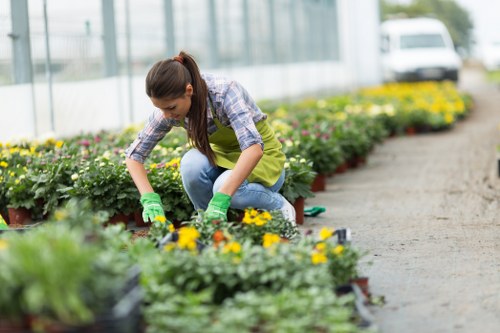 At Landscaping Barking, sustainability is built into the way outdoor spaces are maintained, renewed, and protected. Every project is planned with the aim of reducing waste, reusing materials where possible, and supporting a cleaner local environment. Our approach to landscaping in Barking reflects the growing importance of responsible resource use across East London, where boroughs continue to improve how mixed waste, green waste, and construction by-products are separated and processed. We work with a clear recycling percentage target of diverting at least 85% of suitable project waste away from landfill through reuse, recycling, and recovery routes.
That target is supported by careful material sorting from the outset. Soil, timber, stone, metal, plastic packaging, and green waste are assessed individually so that each stream can be directed to the right facility. In practice, this means the landscaping process becomes part of the circular economy rather than a source of unnecessary disposal. For residents and businesses looking at Barking landscaping with sustainability in mind, this has a practical effect: less waste in landfill, fewer virgin materials used, and better alignment with local recycling expectations.
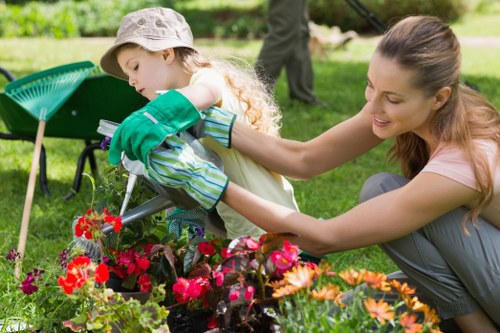 Across the boroughs surrounding Barking, waste separation has become more detailed, with many areas encouraging householders and contractors to keep paper, plastics, glass, food waste, and garden waste apart. This borough-level emphasis on sorting is relevant to our work, because it creates a shared culture of recycling that extends beyond homes into public realm improvements and garden projects. Our team mirrors that approach by separating reusable aggregates from spoilable organic matter and by directing uncontaminated green waste toward composting and biomass pathways.
We also make use of local transfer stations to keep transport efficient and disposal routes well managed. Using nearby facilities in and around East London helps reduce the distance materials need to travel, which in turn lowers fuel use and emissions. These transfer stations play an important role in consolidating waste loads before they are sent on for specialist sorting or reprocessing. For Landscaping Barking, this is not only a logistical advantage but also a sustainability measure, because shorter collection routes and better load planning support a lower-carbon service overall.
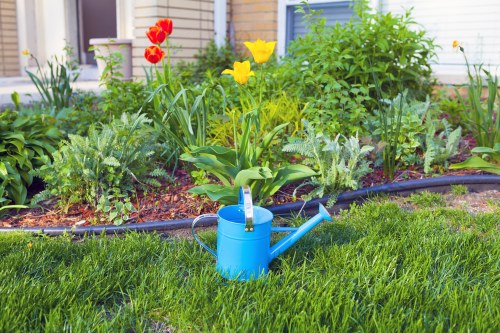 A large part of our recycling strategy focuses on green waste, which can often be turned into compost, mulch, or soil improver instead of being discarded. Branches, hedge trimmings, leaves, turf, and plant cuttings are separated from general rubbish so they can re-enter the material cycle. Where suitable, recovered organic matter may be used to enrich planting beds or contribute to habitat-friendly landscaping. This is particularly relevant in dense urban neighbourhoods, where every effort to retain nutrients in the local environment helps improve soil health and supports greener public and private spaces.
We also prioritise partnerships with charities and community organisations that can make use of suitable surplus materials. Reclaimed paving offcuts, reusable timber, plant pots, and decorative stone can sometimes be donated for community garden projects, training schemes, or other charitable initiatives. These partnerships help extend the life of materials that might otherwise be thrown away and create social value alongside environmental benefit. For landscaping Barking projects, this means waste reduction can also contribute to community resilience and shared green space improvements.
 Another important part of our sustainability commitment is transport. Our fleet includes low-carbon vans designed to reduce emissions during collections, site visits, and material movement. By using efficient vehicles and planning routes carefully, we can cut down on unnecessary mileage while maintaining reliable service. For a busy area such as Barking, where road use and air quality are ongoing concerns, this change is meaningful. Lower-emission transport supports cleaner streets and complements broader local efforts to reduce carbon output.
Beyond vehicle choice, operational planning is key. We schedule deliveries and collections to avoid repeat journeys, combine compatible loads, and minimise idling time. We also look for ways to source materials closer to site, which reduces the carbon intensity of the supply chain. This practical approach to Barking landscaping helps ensure sustainability is not treated as a separate add-on but as part of everyday decision-making. Even small improvements, when applied consistently, can lead to a noticeable reduction in environmental impact across a season of work.
 Our wider recycling and sustainability philosophy also extends to the selection of materials. We aim to specify responsibly sourced timber, durable finishes, and products that can be repaired or reused rather than quickly replaced. Where possible, we encourage designs that incorporate long-lasting materials and planting schemes that need fewer resource-heavy interventions over time. This reduces future waste and supports a more resilient landscape. In a borough where waste separation, green collection, and community recycling efforts are becoming more visible, it makes sense for Landscaping Barking to reflect those values in every stage of the work.
Ultimately, sustainability in landscaping is about more than removing waste properly. It is about creating a system where materials, transport, and site practices all work together to reduce harm and increase reuse. By combining a recycling target of 85% or more, using local transfer stations, supporting charities, and investing in low-carbon vans, Landscaping Barking aims to deliver outdoor improvements with a lighter footprint. This is a practical, modern approach to landscaping that fits the environmental priorities of Barking and the wider boroughs.