Landscaping Barking: Creating Attractive, Practical Outdoor Spaces
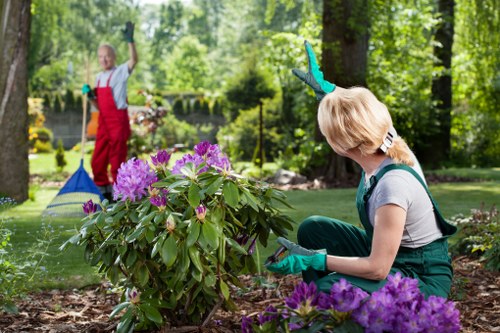 Landscaping Barking is about more than planting flowers or trimming hedges. It is the thoughtful shaping of outdoor spaces so they look appealing, work well for everyday life, and remain manageable through the changing seasons. In a busy urban area, a well-planned garden can become a private retreat, a social space, a safe play area, or a welcoming first impression for a property. Whether you are improving a small front garden, rethinking a paved back yard, or refreshing a larger outdoor area, landscaping in Barking can add real value and enjoyment.
Good landscape design balances appearance with function. A beautiful garden that is difficult to maintain or awkward to use can quickly lose its charm. On the other hand, a practical garden with no visual appeal may feel unfinished. The best results often come from combining hard landscaping elements such as paving, edging, pathways, fencing, and retaining structures with softer features like lawns, shrubs, trees, and seasonal planting. This balance helps create outdoor spaces that feel complete, purposeful, and comfortable.
Many people searching for landscaping Barking are looking for ideas that suit modern living. That may mean creating low-maintenance gardens, improving drainage, adding structure to a tired plot, or making better use of limited space. Others may simply want a garden that looks neat all year and reflects their style. Whatever the goal, a successful landscaping approach starts with understanding the space itself, the way it is used, and the conditions it faces.
Why Landscaping Matters for Homes in Barking
 Outdoor spaces play a bigger role in daily life than many people first realise. A well-designed garden can extend living space, support relaxation, and provide an area for entertaining, gardening, or children’s activities. For homeowners and landlords alike, quality landscape gardening in Barking can also improve kerb appeal and help a property stand out. In areas where space is often limited, every square metre matters, and thoughtful design makes a noticeable difference.
Landscaping is also important because it helps outdoor areas function better in practical terms. Poorly planned gardens can suffer from muddy patches, water pooling, awkward layouts, and wasted corners. By contrast, a considered layout can improve movement, reduce maintenance, and make the garden feel more usable throughout the year. Features such as raised beds, gravel sections, seating areas, and well-chosen planting can turn a plain plot into a space with purpose and character.
Another reason people invest in landscaping services in Barking is the opportunity to suit the outdoor space to their lifestyle. Some homeowners prefer a clean, minimalist look with defined lines and simple planting. Others want a lush, natural feel with layered greenery and seasonal colour. There is no single formula that works for every property. The key is to choose elements that match the architecture, the surrounding environment, and the amount of time available for upkeep.
Core Elements of Effective Garden Landscaping
Successful landscaping often begins with structure. Without a clear layout, even the best planting can feel disconnected. Paths, patios, borders, steps, walls, and fences provide the framework that holds the garden together. These features create order and help define different zones for dining, relaxing, growing plants, or playing. In garden landscaping Barking, structure is especially valuable where gardens are narrow, shaded, or irregularly shaped.
Planting is the part of landscaping most people notice first, but it works best when the surrounding framework supports it. Lawns create softness and openness, while shrubs add volume and shape. Trees bring height and maturity, and flowering plants introduce colour and seasonal interest. A well-balanced planting scheme can make a garden feel vibrant without becoming cluttered. It is also worth thinking about foliage texture, leaf shape, and plant height, not just blossoms, because these details affect the look of the garden all year.
 Materials play a major role too. Stone, timber, brick, gravel, and composite products each bring a different mood and level of durability. For example, natural stone can create a timeless finish, while porcelain paving may suit a more contemporary setting. Timber can soften the overall appearance, and gravel is often useful for pathways, drainage areas, or low-maintenance sections. Choosing materials carefully is an important part of landscaping Barking, because the wrong surface can make a garden feel out of place or difficult to care for.
Designing for Small Gardens, Front Gardens, and Larger Plots
Not every garden in Barking has the same shape or size, and each type of space needs a different approach. Small gardens benefit from clean lines, simple layouts, and features that make the space feel larger. Using lighter paving, vertical planting, and restrained colour palettes can prevent a compact garden from feeling crowded. Mirrors, raised beds, and cleverly placed containers can also add depth and interest without taking up too much floor space.
Front gardens often need to strike a balance between appearance and practicality. They are the first part of the property that people see, so they contribute strongly to kerb appeal. At the same time, many front gardens must accommodate bins, bikes, access paths, or parking. A well-planned front garden landscaping scheme can keep the space attractive while making it easy to use. Neat borders, tidy paving, low hedging, and durable planting are all useful in this setting.
For larger gardens, the challenge is often the opposite. Bigger spaces can feel empty if they are not carefully defined. Dividing the area into zones can make it more inviting and more functional. A dining terrace, a lawn for recreation, a quiet corner for reading, and a planting-rich border can each serve a different purpose. When landscape design in Barking is approached in this way, a large garden becomes more than an open patch of ground; it becomes a series of connected outdoor rooms.
Practical Landscaping Ideas That Work Well Year-Round
One of the most useful approaches to outdoor design is choosing features that offer value in every season. Evergreen shrubs, structural grasses, evergreen climbers, and carefully placed trees keep a garden looking active even in winter. Seasonal planting can then be layered on top for bursts of colour in spring and summer. This creates a landscape that remains interesting without depending entirely on short-lived displays.
Low-maintenance landscaping is another popular direction. Many homeowners want gardens that look good without requiring constant attention. This does not mean the space has to be plain or sterile. It can include gravel beds, mulch, ground cover planting, artificial turf, raised planters, and robust paving. These elements reduce the need for frequent mowing, weeding, and trimming while still producing a polished finish. For busy households, this kind of landscaping Barking solution is often ideal.
Drainage should also be considered in any outdoor project. Gardens that collect water can become muddy, unsafe, and unattractive. Solutions may include permeable materials, improved soil structure, careful grading, and planting that tolerates wetter conditions. Water management is often one of the hidden strengths of good landscaping because it supports long-term usability and helps the garden remain healthy. When drainage is addressed properly, the whole space feels more reliable and comfortable.
Choosing Plants for a Barking Garden
 Plant selection can shape the entire mood of a garden. Some homeowners prefer traditional planting with roses, lavender, box shapes, and classic border flowers. Others want a more modern or naturalistic style with ornamental grasses, perennials, and layered textures. The best plant choices are those that suit both the visual style of the property and the growing conditions of the site. Sun exposure, wind, soil type, and shade all influence what will thrive.
In an urban environment, resilient plants often perform best. Species that tolerate pollution, variable moisture levels, and occasional dry spells can be especially useful. Shrubs with strong structure, long-flowering perennials, and evergreen plants can keep the garden looking consistent. If the goal is to create a wildlife-friendly space, planting that supports pollinators and birds can also be included. A thoughtful garden landscaping plan in Barking can therefore be attractive, durable, and environmentally positive at the same time.
It is also important to think about maintenance when choosing plants. Some people enjoy regular pruning, feeding, and seasonal changeovers, while others want a garden that largely looks after itself. Planting schemes should reflect that preference. For lower-maintenance results, it is sensible to focus on plants with dependable habits and avoid overcrowding the borders. Clear spacing allows each plant to develop properly and makes the overall arrangement easier to manage.
Hard Landscaping and Its Role in Outdoor Design
Hard landscaping gives a garden its shape and permanence. It includes the built features that support movement, define edges, and create usable surfaces. Patios, paths, steps, retaining walls, sleeper beds, fences, and decorative stonework all belong in this category. These features are especially important in landscaping Barking because they help organise space efficiently and can dramatically improve the appearance of a tired or uneven garden.
Quality materials and careful installation matter here. Poorly laid paving or weak edging can undermine the whole design. Well-constructed hard landscaping, by contrast, creates a sense of confidence and durability. It can also make the garden easier to maintain by keeping soil in place, separating planting from lawns, and directing foot traffic along suitable routes. In many gardens, the best visual impact comes from the contrast between firm structural lines and softer natural planting.
Hard landscaping also allows greater creativity. Curved walls, mixed paving patterns, raised planters, and different levels can all bring variety to a space. These features can solve problems as well as add style. For example, a raised terrace may help connect indoor and outdoor areas, while a retaining wall can make a sloping garden more usable. This combination of form and function is one of the reasons landscaping services Barking are often centred on carefully planned hardscape features.
Creating Outdoor Spaces for Relaxation and Everyday Life
Modern gardens are often expected to do more than look attractive. They are used for family meals, quiet breaks, social gatherings, children’s play, and sometimes even remote working or exercise. Landscaping should support these activities by making the space comfortable and flexible. A seating area with good shade, a lawn that can handle light use, and pathways that connect different zones all contribute to a garden that works in real life.
Privacy is another important consideration. In built-up areas, people often want a sense of seclusion without making the garden feel closed in. Screening with planting, trellis panels, pergolas, or strategic fencing can help create that balance. Soft landscaping can reduce the harshness of boundaries and make the area feel calmer. Where appropriate, climbing plants and layered borders can provide privacy while still allowing light and airflow.
Lighting can further extend the usefulness of the garden into the evening. Subtle outdoor lighting along paths, around steps, or near seating areas improves both mood and safety. When integrated into a wider landscape design, lighting can highlight textures, define features, and make the outdoor space feel welcoming after sunset. This kind of detail is often what turns a simple garden into a truly enjoyable environment.
Blending Style, Durability, and Maintenance
One of the strongest principles in landscaping is the need to balance beauty with practicality. A garden should look good, but it should also stand up to daily life and the weather. This is why designers often think carefully about material durability, plant performance, and how much maintenance the homeowner wants to carry out. A stylish garden is only successful if it remains appealing over time.
Different households have different priorities. Some want a showpiece garden with ornamental planting and precise detailing. Others are more interested in family use, storage, and easy upkeep. The best landscaping Barking projects reflect those preferences rather than forcing one standard style onto every property. A tailored approach ensures the result feels authentic and usable. It also reduces the risk of disappointment later, because the final space matches the way people actually live.
Maintenance planning should be considered from the beginning. Choosing the right surface finishes, selecting well-suited plants, and avoiding complicated layouts can all make future care simpler. Even small decisions, such as where to place a border or how wide to make a path, influence long-term convenience. A good landscape is not just attractive on completion day; it should continue to look deliberate and well cared for through the years.
How Landscaping Can Improve Property Appeal
For many property owners, one of the strongest benefits of landscaping is the visual improvement it brings. An outdoor space that looks coordinated and well maintained can transform the overall impression of a home. This applies to front gardens, rear gardens, and shared spaces alike. Clean boundaries, healthy planting, and a coherent design make a property feel more complete and more inviting.
In competitive housing markets, outdoor presentation matters. While landscaping is not the only factor affecting value, it contributes to the overall impression of quality. A tidy, attractive garden suggests care and attention, which can influence how a property is perceived. Even modest improvements such as refreshed borders, a better pathway, or improved lawn edges can make a noticeable difference. That is why landscaping in Barking is often seen as both a lifestyle choice and a practical investment.
Good landscape improvements can also change how people use the property day to day. A well-designed garden feels easier to enjoy, easier to keep neat, and more aligned with the household’s needs. That means the benefit is not only visual or financial. It is also emotional and functional. People often feel more settled and more connected to their home when the outdoor space reflects the same care as the interior.
Trends in Modern Landscaping for Barking Properties
 Modern garden design often favours clarity, structure, and simplicity. Clean paving lines, restrained planting schemes, and carefully selected materials are popular because they create a fresh, uncluttered appearance. Many homeowners also appreciate mixed-use gardens where one area is dedicated to relaxing, another to planting, and another to easy movement. This practical style suits the pace of contemporary life while still leaving room for character.
Sustainable thinking is another growing influence in landscaping Barking. People are increasingly interested in gardens that use resources wisely, support biodiversity, and withstand changing weather conditions. This may involve drought-tolerant planting, permeable surfaces, composting areas, or features that reduce runoff. Such choices can make a landscape more resilient while still keeping it beautiful. Sustainability and style are no longer separate ideas; they can work together very effectively.
There is also growing interest in gardens that feel personal. Rather than copying a generic layout, homeowners want spaces that reflect how they use their property and what they enjoy seeing every day. That can mean bold planting, a particular paving finish, a quiet seating nook, or a simple design with elegant restraint. The most successful landscaping Barking projects are often those that combine practical planning with individual taste.
Conclusion: Making the Most of Outdoor Space
Landscaping is about shaping outdoor areas so they work well and feel enjoyable to spend time in. In Barking, where properties can vary widely in style, size, and layout, thoughtful design is especially valuable. It can help turn an awkward plot into a useful garden, a plain yard into a welcoming retreat, and a front space into an attractive feature that strengthens the whole property.
From planting and paving to privacy, lighting, drainage, and layout, every element contributes to the final result. The best gardens are not always the most elaborate; they are the ones where each part has a purpose and every detail supports the overall look. Whether the aim is a calm, low-maintenance garden or a more expressive and layered outdoor space, landscape gardening in Barking offers many possibilities.
The key is to view the garden as part of the home rather than an afterthought. With the right balance of structure, planting, and materials, outdoor space can become one of the most rewarding parts of a property. Well-planned landscaping in Barking brings together beauty, comfort, and practicality in a way that can be enjoyed throughout the year.