Health and Safety Policy for Landscaping Barking
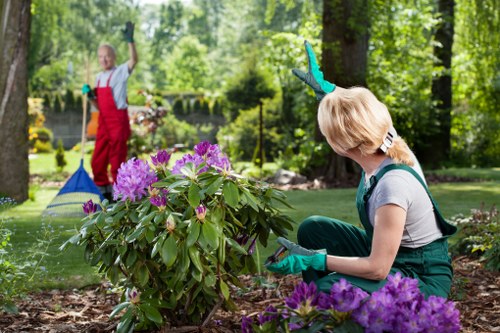 Health and safety in landscaping is essential to protecting staff, clients, visitors, and members of the public. This policy sets out the standards expected across all landscaping activities, including planting, turfing, pruning, site clearance, paving, and the handling of materials and equipment. Our approach is based on prevention, clear communication, and consistent working practices. Every task is planned with safety in mind, and every worker is expected to take personal responsibility for reducing risk.
We aim to provide a safe working environment by identifying hazards early and applying suitable controls before work begins. Typical risks in landscaping services include moving machinery, manual handling, slips and trips, exposure to weather, flying debris, noise, dust, and the use of sharp tools. Risk assessments are completed for tasks where required, and work methods are adjusted to suit the conditions. Where a risk cannot be removed entirely, it must be managed carefully and monitored throughout the job.
All staff must be trained to use equipment safely and to follow site rules at all times. This includes checking tools before use, wearing suitable personal protective equipment, and reporting defects immediately. Landscaping safety depends on everyone understanding their responsibilities, following instructions, and stopping work if conditions become unsafe. The policy also applies to subcontractors and anyone else carrying out work on behalf of the business.
Safe working begins with good preparation. Before any job starts, the site should be reviewed for access issues, overhead hazards, underground services, uneven ground, unstable structures, and public exposure. Where necessary, barriers, warning signs, and designated work zones are used to separate operations from others nearby. Materials must be stored neatly to avoid obstructions, and tools should be kept in a secure condition when not in use.
Manual handling is a common concern in landscaping health and safety. Loads should be assessed before lifting, and assistance or mechanical aids used where items are too heavy, awkward, or repetitive. Team members are expected to use safe lifting techniques, avoid twisting under load, and plan routes before moving materials. Regular breaks may be needed during physically demanding work, especially in hot weather or during long periods of repetitive activity.
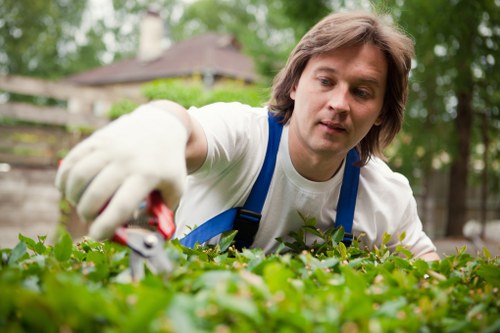 Equipment safety is a critical part of this policy. All machinery, hand tools, and powered equipment must be suitable for the task, maintained regularly, and used only by competent people. Guards, switches, blades, and moving parts must be checked before operation. Any faulty item must be taken out of service until repaired. Fuel, batteries, and charging equipment should be managed carefully to reduce fire and contamination risks.
Environmental conditions can create additional hazards during landscape maintenance. Wet surfaces, frost, strong winds, heat, and poor visibility can all affect safe working. Tasks should be postponed or adapted if conditions make them unsafe. Sun protection, hydration, suitable clothing, and weather-appropriate footwear are important parts of daily safety planning. Workers should also be aware of insects, poisonous plants, and hidden objects in soil or vegetation.
 The use of chemicals, fuels, and other substances must be controlled to prevent harm. Products should be selected carefully, stored in labelled containers, and used according to instructions. Exposure should be minimised through safe handling, ventilation, and the correct use of gloves, eye protection, or respiratory protection where needed. Spill kits and cleaning materials should be available when working with liquids or substances that may contaminate the ground or create slip hazards.
Emergency readiness is part of a strong landscaping policy. First aid materials should be accessible, and at least one trained person should be available where work arrangements require it. Procedures for accidents, injuries, fires, chemical exposure, and severe weather should be understood by all staff. Incidents, near misses, and unsafe conditions must be recorded and reviewed so that lessons can be learned and improvements made.
Communication is fundamental to safe landscaping operations. Site briefings should be clear, practical, and relevant to the work being carried out. Instructions must be understood before tasks begin, especially when several activities are taking place at once. Where public access is possible, additional controls should be used to protect pedestrians, vehicles, and nearby property. Work should be organised so that noise, dust, and disturbance are kept as low as reasonably practicable.
Supervisors are responsible for monitoring compliance with this policy and for correcting unsafe behaviour promptly. Workers are expected to cooperate with safety arrangements, wear required protective clothing, and use equipment only for its intended purpose. Landscaping safety standards are not optional; they are part of everyday work practice and should be reflected in planning, supervision, and review. Repeated failure to follow safety procedures may result in removal from site or other action.
Review and improvement are ongoing commitments. This policy will be checked regularly to ensure it remains suitable for the work being undertaken and that it reflects current best practice. Feedback from incident reports, inspections, and routine observations should be used to strengthen controls and improve working methods. A safe landscaping operation depends on consistency, awareness, and a shared commitment to protecting people and property.
 In the final stage of every project, areas should be left secure, tidy, and free from avoidable hazards. Waste, offcuts, sharp materials, and unused products must be removed or stored safely. Temporary barriers should only be taken down when it is safe to do so, and the site should be checked before departure to confirm that no hazards remain.
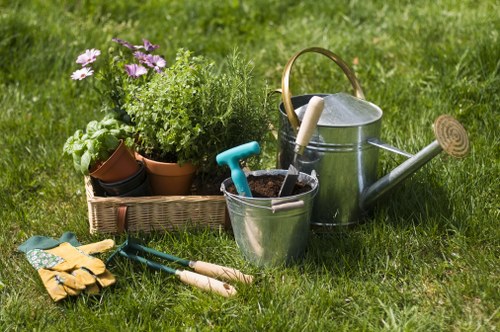 This health and safety policy for landscaping applies to all work undertaken under the business name and should be read alongside task-specific procedures and risk controls. By following it carefully, we support safer working conditions, better planning, and a professional standard across all landscaping activities.